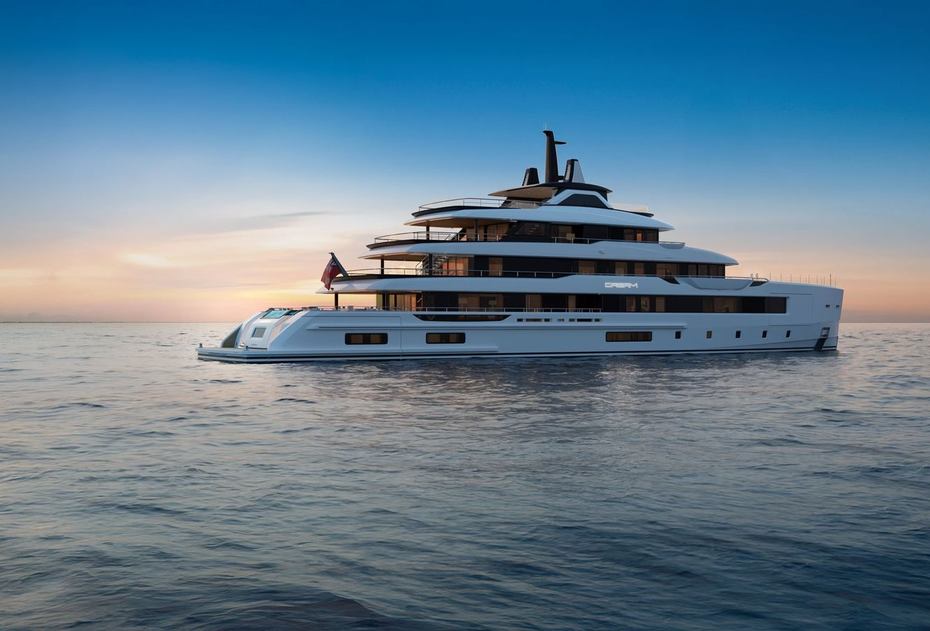
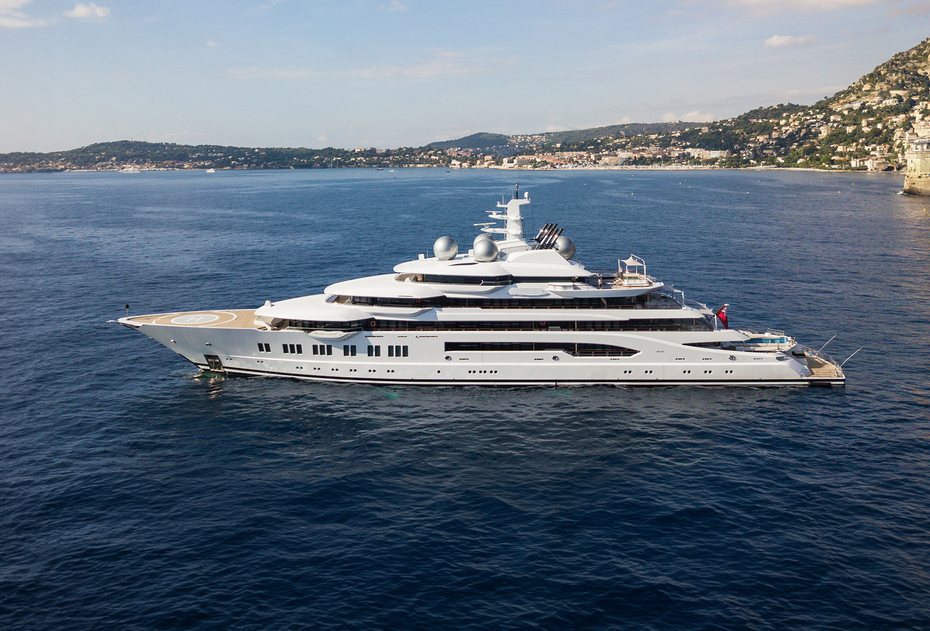
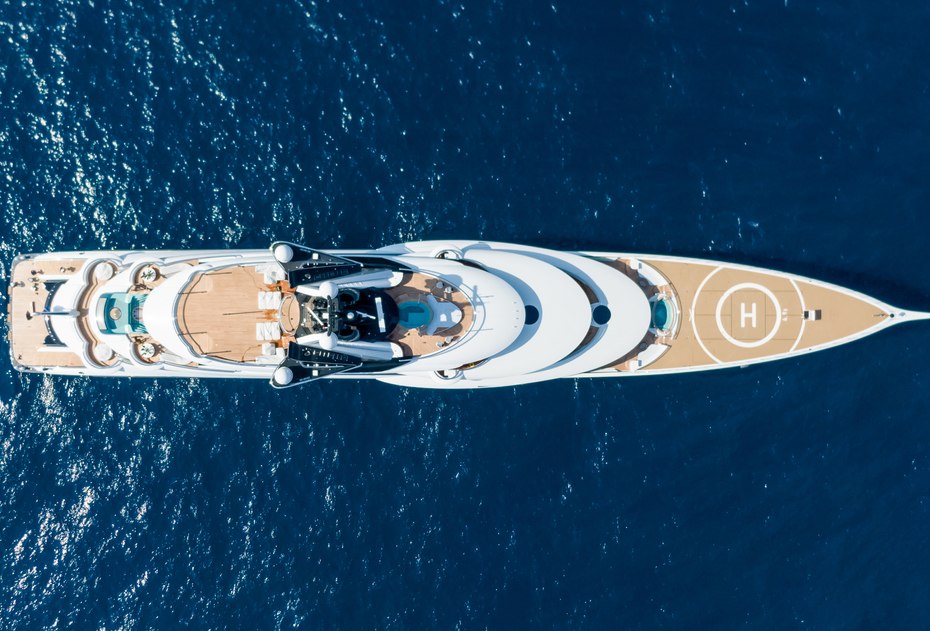
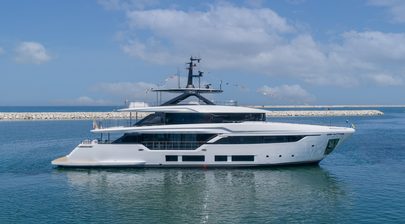
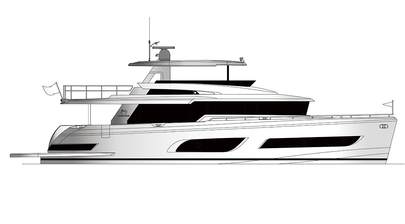
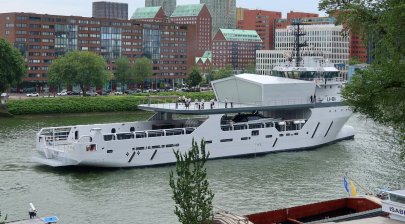
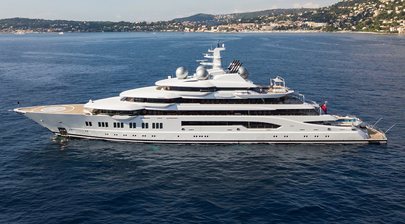
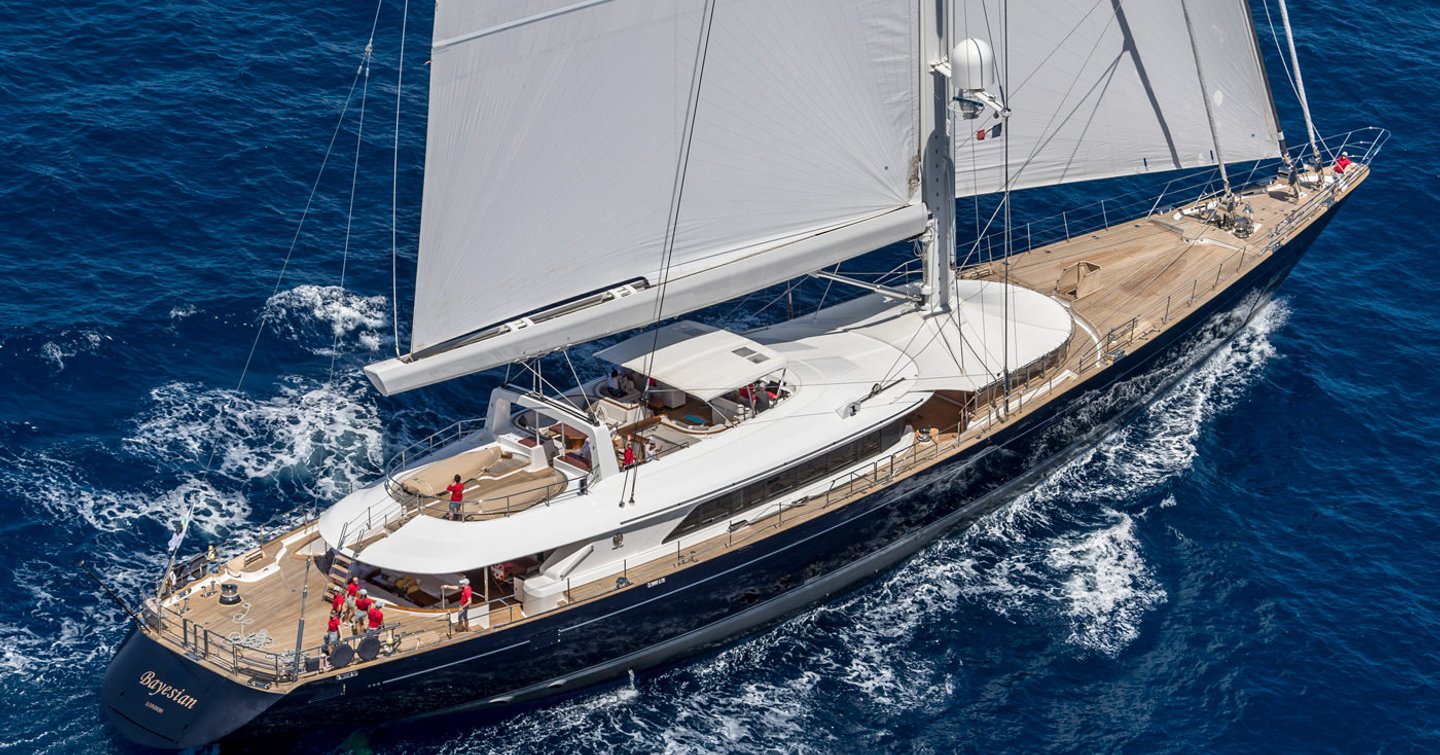
The Perini Navi yacht, owned by Mike Lynch, sank off Porticello, Sicily, on 19 August 2024, resulting in seven fatalities, including Lynch and his daughter.
Storm No Longer Considered Primary Cause
Preliminary findings from Italian prosecutors indicate that conditions on the night of the incident were less severe than initially reported. Expert analysis concluded the weather amounted to “little more than a squall,” a short-lived increase in wind speed typically preceding thunderstorms, and one that should have been within the operating limits of a yacht of this size.
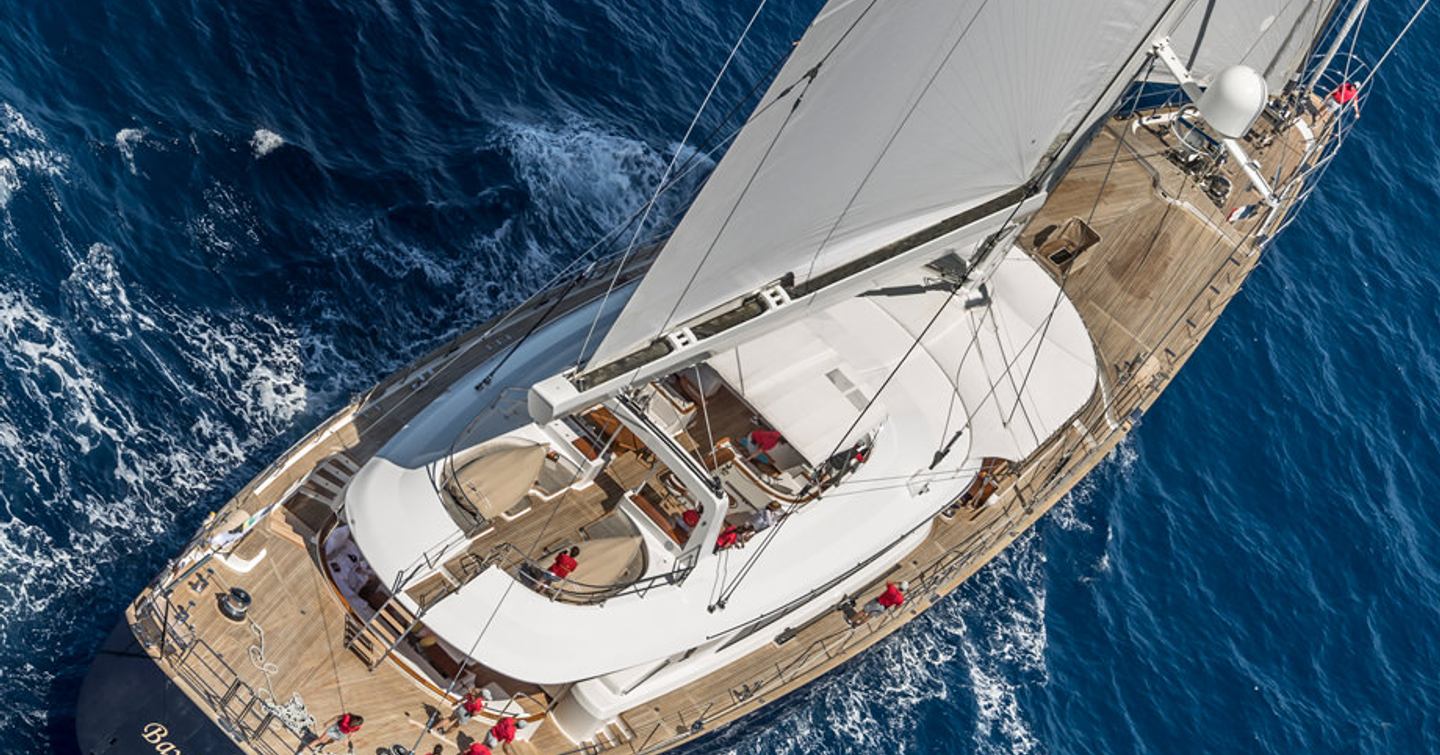
This reframes the early narrative, where witnesses described a tornado-like system and extreme gusts as the defining cause. Instead, investigators now appear to be treating the weather as a contributing factor rather than the primary trigger, placing greater emphasis on how the situation was managed onboard.
The yacht had anchored off the Sicilian coast to shelter from forecast storms, a common operational decision, but one that now forms part of the wider examination into risk assessment and preparedness.
Crew Actions and Onboard Systems Under Review
With weather no longer seen as the only defining factor, the investigation has moved toward what happened onboard in the lead-up to the capsize. Prosecutors are now examining whether a series of operational failures contributed to the loss of the vessel.
Key areas under review include:
- Improper actions by the crew
- Underestimation of incoming weather conditions
- Failure to activate or manage critical safety systems
These findings have led authorities to consider potential charges, including negligent shipwreck and multiple counts of manslaughter for the captain and two crew members. The speed of the incident, with the yacht losing stability and sinking within minutes, has also raised questions about onboard readiness, watchkeeping, and escalation procedures once conditions began to deteriorate.
Attention is also being given to whether standard storm protocols were followed, including securing openings, preparing the vessel for heavy weather, and ensuring all crew were positioned to respond effectively.
Conflicting Findings Across Investigations
The Italian conclusions differ from earlier findings by the Marine Accident Investigation Branch, which highlighted possible design and stability concerns. Its interim report suggested the superyacht may have been vulnerable to strong winds in certain conditions, with these characteristics not fully detailed in the stability documentation onboard.
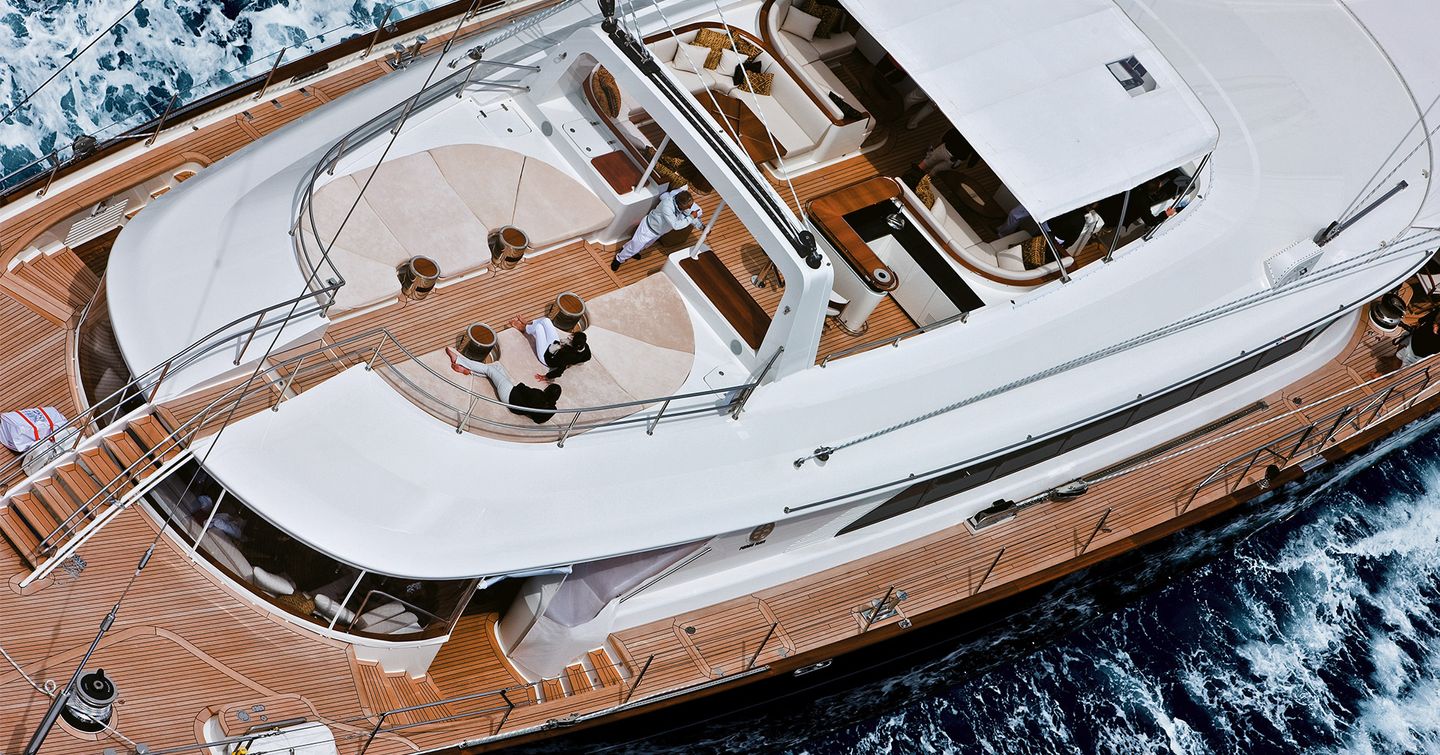
According to that report, neither the owner nor the crew were fully aware of these potential vulnerabilities, raising questions about how operational decisions were made in real time. The absence of clear guidance in the yacht’s stability information booklet may have limited the crew’s ability to anticipate how the vessel would behave under sudden wind pressure.
The report also described how the yacht heeled dramatically in a matter of seconds following a sudden increase in wind speed, leaving little time for corrective action. This has created a more complex picture, where both operational decisions and technical factors remain under consideration, rather than a single point of failure.
Chaotic Final Moments Onboard
Accounts from the MAIB investigation provide a detailed picture of the conditions during the final moments. As the yacht capsized, furniture and loose objects were thrown across interior spaces, blocking access routes and adding to the confusion onboard.
Several survivors were forced to improvise their escape, using drawers and fixtures as makeshift ladders, while others relied on air pockets within the hull before finding a route out. The sudden angle of the vessel meant that normal circulation routes became unusable almost immediately, forcing those onboard to adapt in real time.
Crew members attempted to assist guests toward escape points, but the rapid sequence of events limited coordination. Some individuals were injured during the initial impact, further complicating evacuation efforts.
Of the 22 people onboard, 15 were rescued, while seven lost their lives.
Legal and Technical Questions Continue
The incident has triggered parallel legal and technical disputes. The yacht’s builder, part of The Italian Sea Group, has filed a substantial civil claim, attributing the loss to operational failures and seeking damages linked to reputational and commercial impact.
At the same time, representatives connected to the owner’s estate have pointed to unresolved questions around the yacht’s design, stability profile, and whether all performance characteristics were fully understood prior to the voyage. These competing positions underline the complexity of assigning responsibility in a case where multiple factors may have converged.
The vessel has since been recovered from the seabed and is now undergoing detailed examination in Sicily. Investigators are expected to use physical evidence from the hull, onboard systems, and structural components to reconstruct the sequence of failures and determine how quickly the situation escalated beyond control.
With criminal liability, civil claims, and technical analysis still in progress, the case continues to develop as one of the most closely followed incidents in recent superyacht history, with its findings likely to influence future safety procedures and operational standards across the sector.